

The moment a piece of furniture leaves your house and enters a truck, it faces forces it rarely encounters at rest: vibration from the road, sudden stops, the weight of other items pressing against it, and the simple risk of being carried through a doorway that is narrower than it looks. Most damage during a move does not happen because someone is careless. It happens in transit, when items shift, rub, or knock together over the course of a drive. Understanding how movers guard against that helps you judge whether a company is doing the job properly.
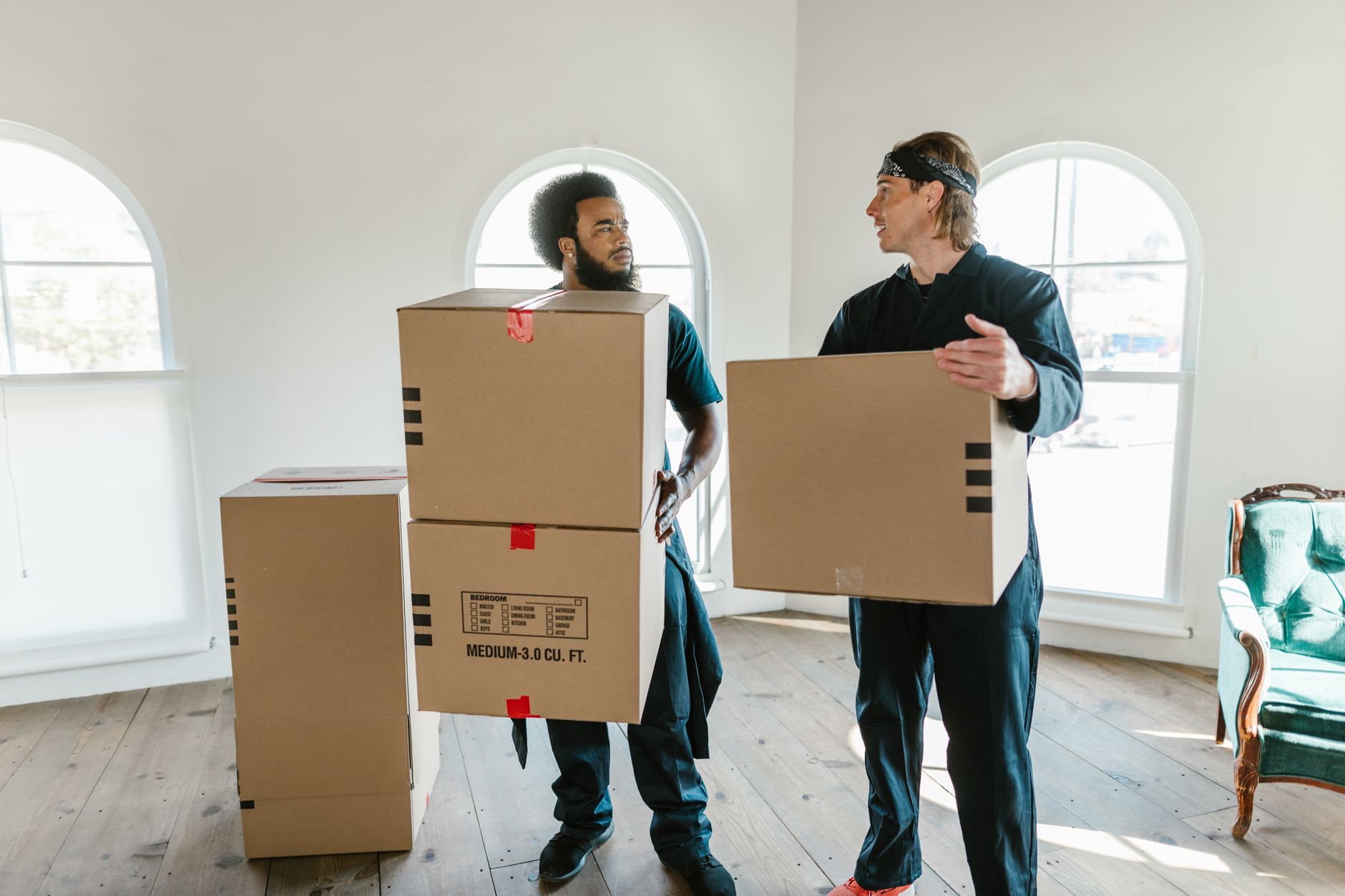
Padding And Wrapping
The first layer of protection is physical padding. Moving blankets, sometimes called furniture pads, are thick quilted covers that wrap around dressers, tables, sofas, and cabinets. They absorb the small impacts that would otherwise leave dents and scratches, and they keep hard surfaces from grinding against each other as the truck moves. A well-loaded truck is a wall of padded, stretch-wrapped items packed tightly enough that nothing has room to slide.
Stretch wrap does a different job. It holds drawers and doors shut, keeps blankets in place, and shields upholstery from dirt and moisture. Corners and edges, which take the most abuse, often get extra reinforcement with cardboard or foam corner guards. If you are comparing quotes among London, Ontario companies, it is worth asking what padding is included as standard versus what costs extra, since this varies more than people expect. Experienced family movers tend to over-pad rather than under-pad, because a callback for damaged furniture costs them far more than a few extra blankets. When you watch a crew work, the amount of wrapping they use before anything reaches the truck tells you a great deal about their standards.
Handling Fragile Items
Glassware, dishes, mirrors, framed art, lamps, and electronics need more than a blanket. These items are usually packed into boxes with cushioning around and between each piece so nothing touches its neighbour. Dishes are wrapped individually and stacked on their edges rather than flat, which is counterintuitive but far stronger. Mirrors and picture frames go into flat, purpose-made cartons. Televisions and other electronics travel best in their original boxes, though foam and double-walled cartons work when those are gone.
Boxes with fragile contents are marked and loaded where they will not be crushed, typically higher in the stack and against a stable surface. The heavier the box, the lower it should sit. A crew that packs your kitchen well will fill every gap, because empty space inside a box is where breakage happens. If you pack fragile items yourself to save money, keep that principle in mind: a box should feel solid, with no rattle or give when you gently shake it.
Insurance And Claims
Even with careful packing, accidents occasionally happen, and this is where coverage matters. In Ontario, basic liability from a mover is usually calculated by weight, which can work out to a fairly small payout relative to the value of a damaged item. That basic protection is not the same as replacement-value coverage, and the difference surprises people after the fact.
Before your move, ask exactly what the standard coverage pays and whether you can buy additional protection for higher-value belongings. Read how claims work: the deadline to report damage, whether you need photos, and whether an item must be inspected. Documenting your belongings before they are loaded gives you a clear record if something goes wrong. Keeping high-value or irreplaceable items with you, rather than on the truck, removes them from the equation entirely.
Your practical next step is to take a few minutes before moving day to photograph your most valuable and fragile items, then confirm in writing what your mover’s coverage actually pays if one of them is damaged.